-
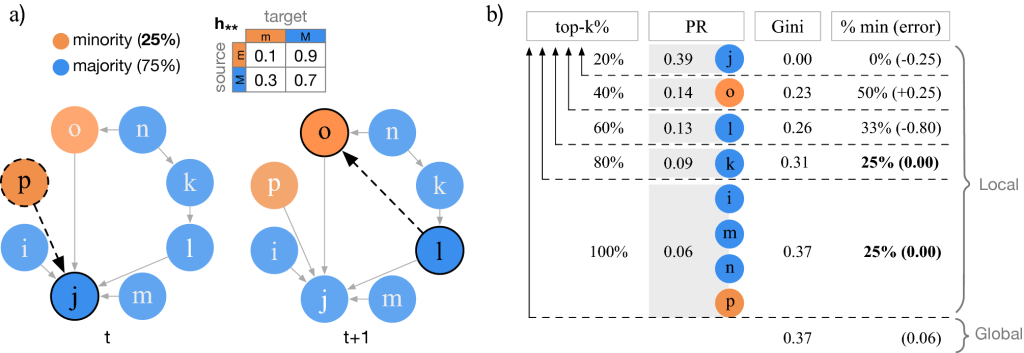
Online social networks claim to make connections and bring people together. But the ranking and recommender algorithms that suggest for instance whom to connect with, or who the most relevant scientists in a field are, are not fair. A study just published in the journal Scientific Reports shows that the… Continue reading →
-
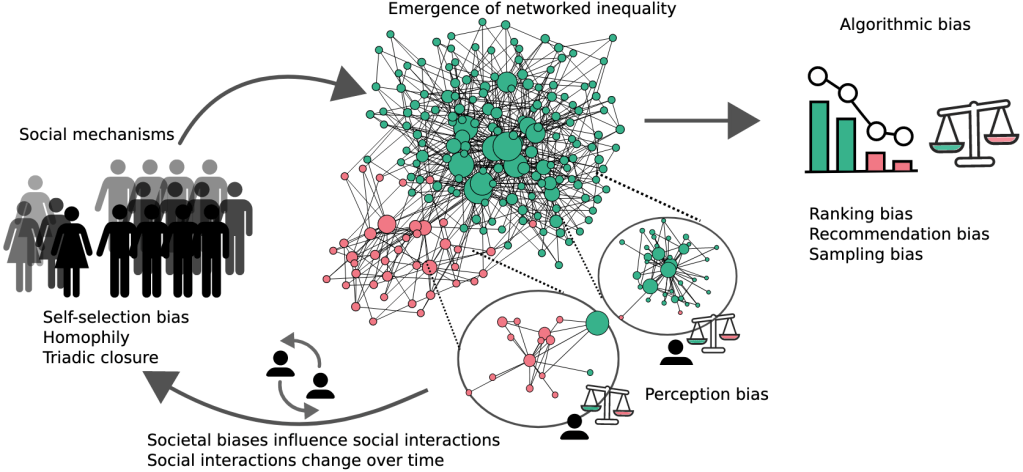
In this report, we provide an overview of recent advances in data-driven and theory-informed complex models of social networks and their potential in understanding societal inequalities and marginalization. We focus on inequalities arising from networks and network-based algorithms and how they affect minorities. In particular, we examine how homophily and… Continue reading →
-
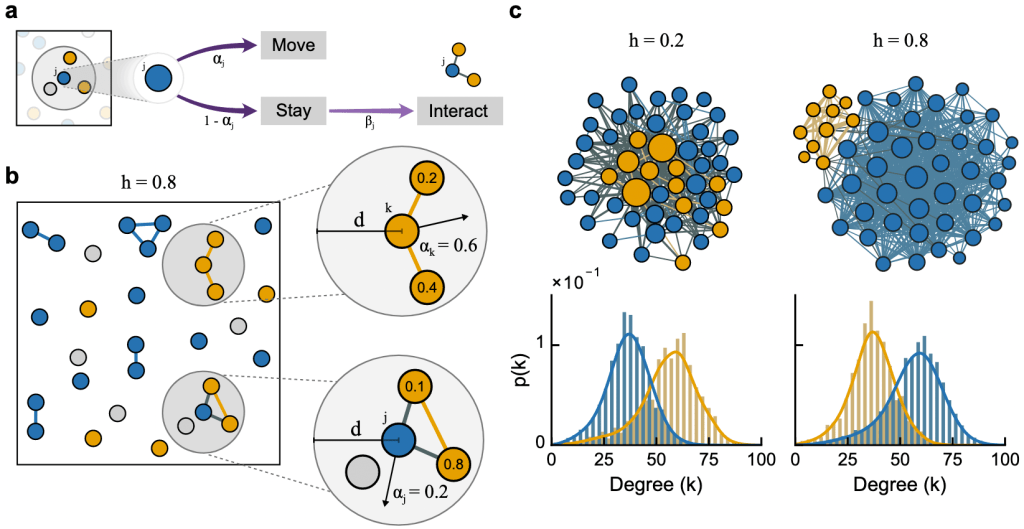
Uncovering how inequality emerges from human interaction is imperative for just societies. Here we show that the way social groups interact in face-to-face situations can enable the emergence of disparities in the visibility of social groups. These disparities translate into members of specific social groups having fewer social ties than… Continue reading →
-
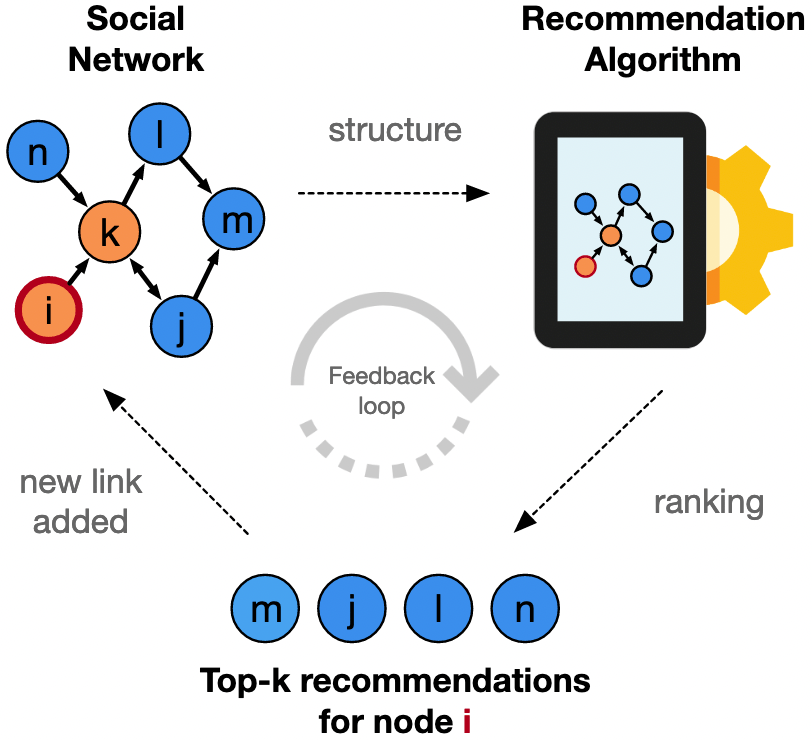
Network-based people recommendation algorithms are widely employed on the Web to suggest new connections in social media or professional platforms. While such recommendations bring people together, the feedback loop between the algorithms and the changes in network structure may exacerbate social biases. These biases include rich-get-richer effects, filter bubbles, and… Continue reading →
-
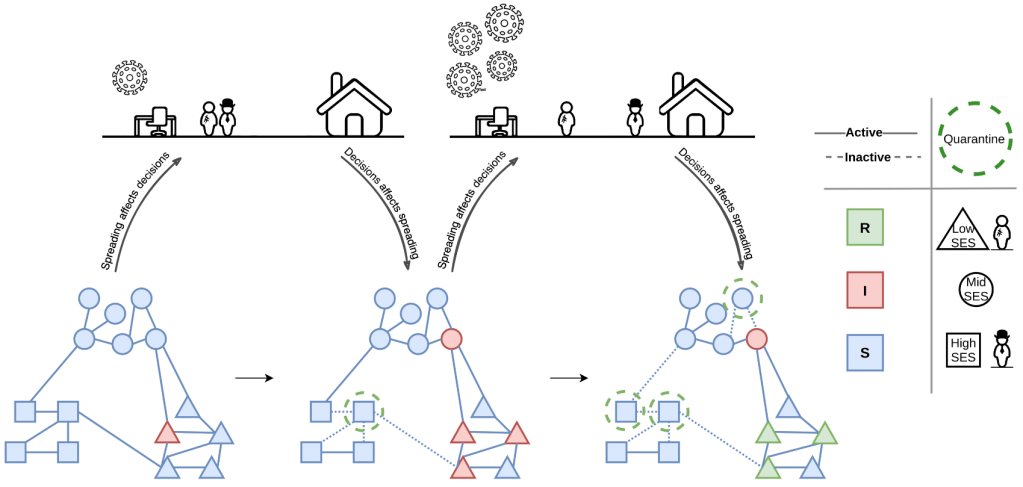
A computational approach During the COVID-19 pandemic, we witnessed a disproportionate infection rate among marginalized and low-income groups. Despite empirical evidence suggesting that structural inequalities in society contribute to health disparities, there has been little attempt to offer a computational and theoretical explanation to establish its plausibility and quantitative impact.… Continue reading →
-

International mobility in academia can enhance the human and social capital of researchers and consequently their scientific outcome. However, there is still a very limited understanding of the different mobility patterns among scholars with various socio-demographic characteristics. By studying these differences, we can detect inequalities in access to scholarly networks… Continue reading →


Network Inequality and Fairness Group
Computational Social Science Research
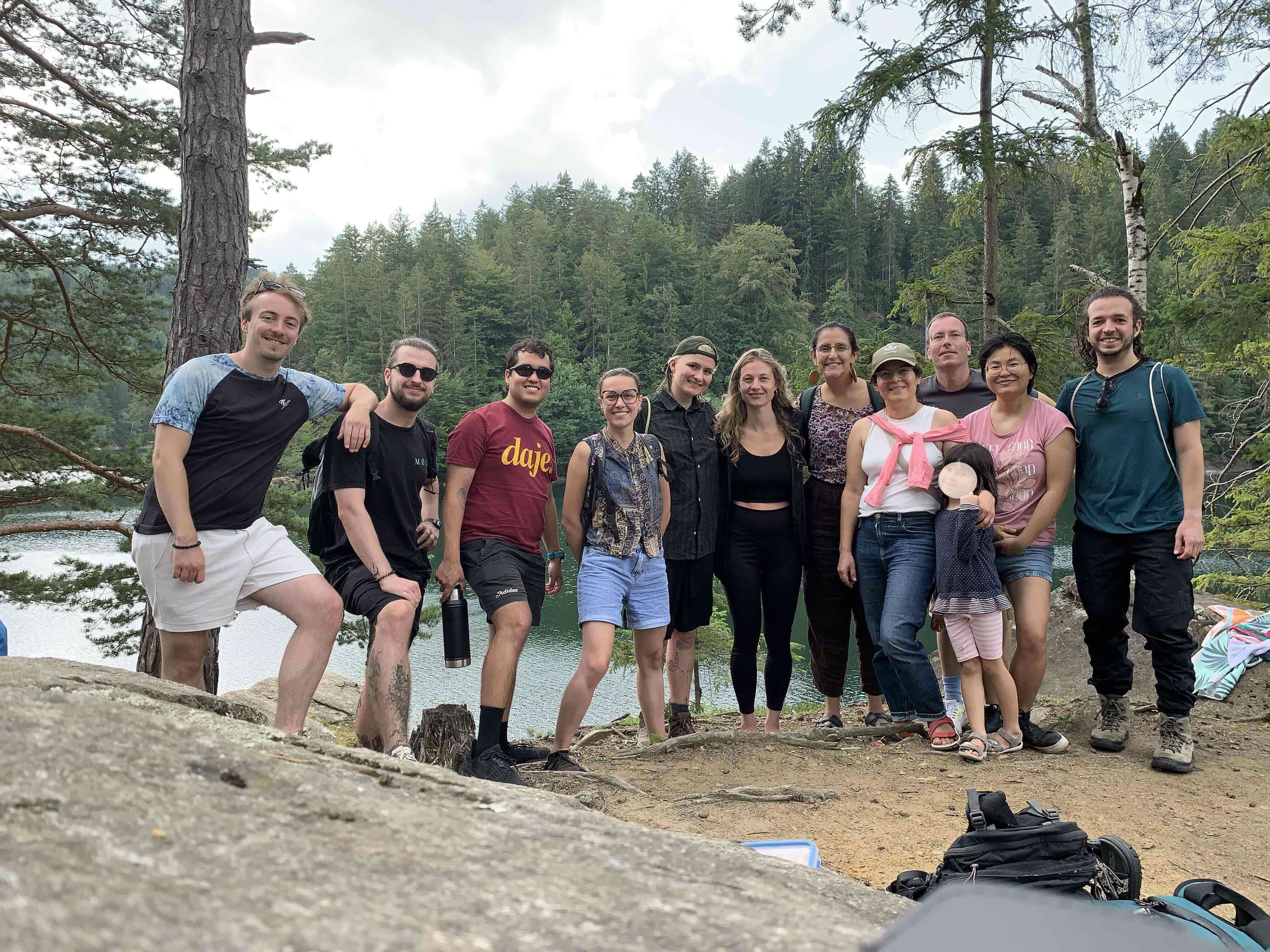
Welcome to the Network Inequality and Fairness Group! Based at TU Graz in Austria and led by Fariba Karimi, our research group uses computational and network approaches to examine pressing social challenges, including inequality, minority visibility, and algorithmic bias. Our work also explores how culture, information, and norms spread across online communities using models, data, and experiments.
Picture taken at the Group Retreat – July 2026
Connect with us!
Stay up to date!
Stay updated with our latest posts and lectures.